Why Trails Don’t Hold Birds. But Edges Do.
Edge Theory 101: How to Hunt the Structure, Not the Shortcut
Ann Jandernoa
July 16, 2025
Why Cover Structure Puts You in Birds
It’s easy to fall for shortcuts: follow a track, find a trail, chase a waypoint. But trails don’t hold birds, correct habitat with the right edges does. And it’s not just the fact that a stand was cut. It’s when it was cut, what timber type was harvested, how it grew back, and what surrounds and intersects it that creates usable edge habitat. All cuts are not created equal. They are defined by the quality of the habitat and edge structure — both of which are directly tied to the age of the cut and the surrounding
habitat.
Not All Edges Are Created Equal
Edge quality is defined by the timing of the cut, species composition, elevation, and time of day or year. In much of the Upper Midwest, aspen is the starting point — but that’s just step one.
The next layer? Surrounding habitat. Look for and ask yourself if these qualities exist within or on the edge of the cut:
-Escape zones
-Moisture pockets
-Cool microclimates
-Sheltered zones during wind
-Shrub-heavy cover with vertical layering
Then assess internal edges within the cut. These subtle features many hunters overlook:
-Old trails
-Low depressions
-Habitat shifts across soil types
-Funnels and natural escape lanes
-Structural understory consistency and what percent is the coverage
Yes, trails and skidder paths matter, but only because they help shape edge. Edges, both internal and external, are where density, sun, and security meet. They’re the final ingredients that separate a good cut from a great one.
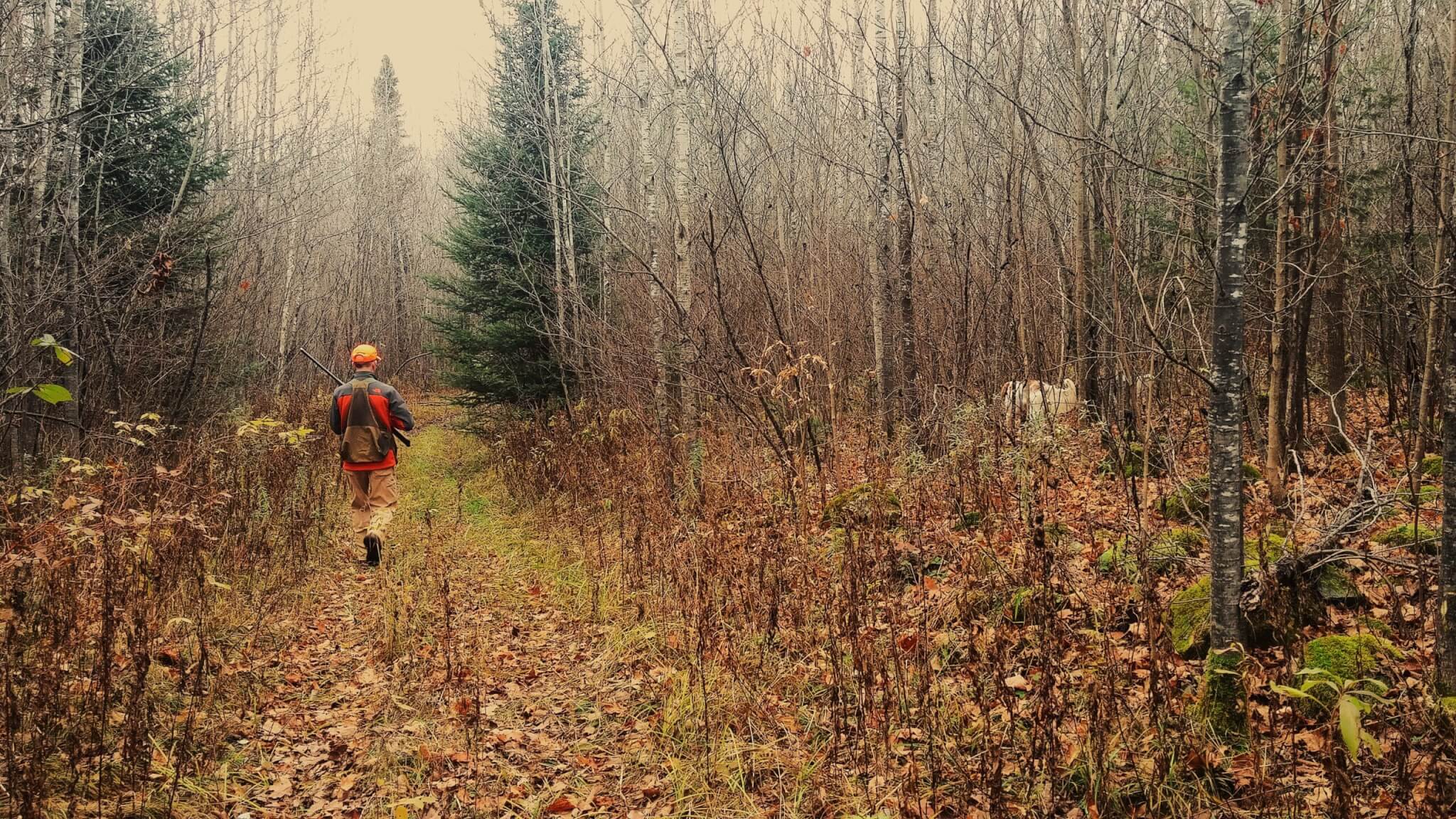
A cut alone doesn’t hold birds. The stem density, understory complexity, and the habitat types around and within it determine if it produces birds. The more layered and diverse the layout, the more consistently it holds. Remember, not any old cut will do. Grouse are very habitat specific.
What Makes One Cut Better Than Another?
After determining the age and habitat type of the cut, assess it for the following:
–Stem Density: Too open? Birds are exposed. Too young and it’s weedy. Too old and it becomes less dense, with changes in the understory.
–Edges & Transitions: Birds live where cover changes: brush-to-aspen, aspen-to-black spruce, trail-to-thicket, or the edge of an older cut.
–Habitat Combinations: An older cut used in winter next to prime cuts used the rest of the year. A good cut flanked by lowland cover or dense shrub components.
–Weather & Time of Day: Habitat use shifts with sun, wind, and thermals. Think beyond the cut. What options do birds have as conditions change?
Trails: Salad Bar with a Back Door
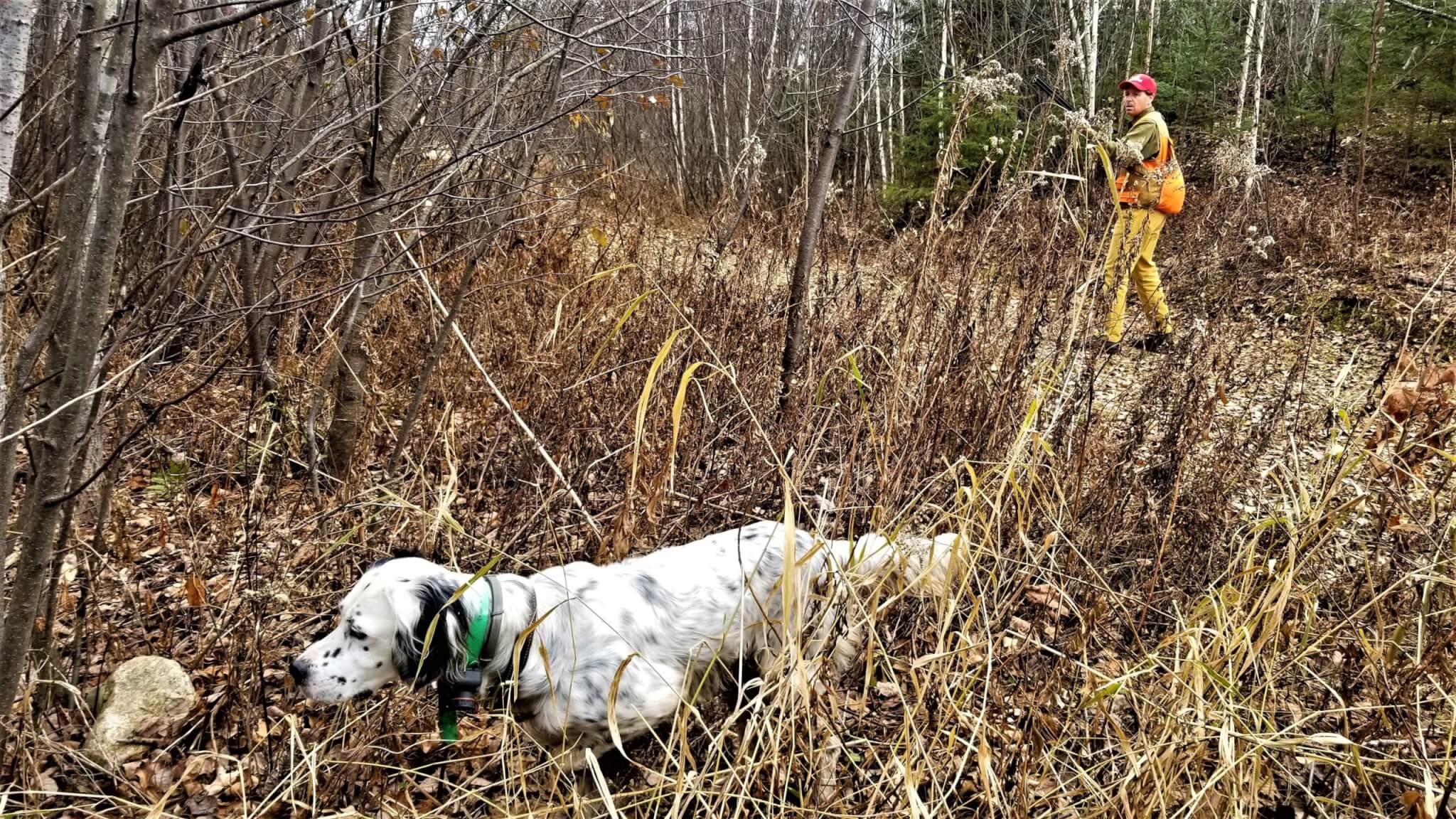
Grouse are edge birds. They rarely linger in the wide open. They tend to live in the shadows. But there’s one exception: a trail laced with fresh, leafy greens. Whether it’s clover, strawberry leaves, or other soft herbaceous growth, grouse will use trails as feeding lanes.
“A trail is one of the few places grouse will feed in the open, but only when escape cover is a quick dash away, where they can fade back into dense stems.”
They’re not loafing. They’re not living there. They’re grabbing calories while the odds are in their favor. The moment there’s a threat. They slip into cover for escape. The time a grouse spends on a trail is limited, however, the grouse will spend more time not far from the edge of a food source that may be found on a trail.
In productive cuts, these trails become:
-Feeding zones when conditions feel safe
-Edges that the birds need to go from open to dense in seconds
Bottom Line
You can’t waypoint your way into birds. You have to hunt the habitat.
Don’t chase trails. Start by identifying the age of the cut and then identifying the transitional cover
within and surrounding it. Knowing the bird’s needs and understanding what they’re using in response to weather, time of day, and soil puts you in the right spot to find them. This is true with all species.
Scout N Hunt gives you the real story:the ages of the cuts, the habitat surrounding each cut, and the full context so you’re not guessing. You’re grouse hunting.
Find the Habitat and Find the Birds.