Cover Over Canopy: Scout Habitat Like a Pro Upland Hunter
Learn about ground cover plants grouse seek
Ann Jandernoa
July 23, 2025
In any young cut, the canopy tells the story of the ground floor. If it’s wide open, expect weeds and wasted steps. If it’s starting to close in, with crowns just beginning to interlace — that’s when things get interesting.
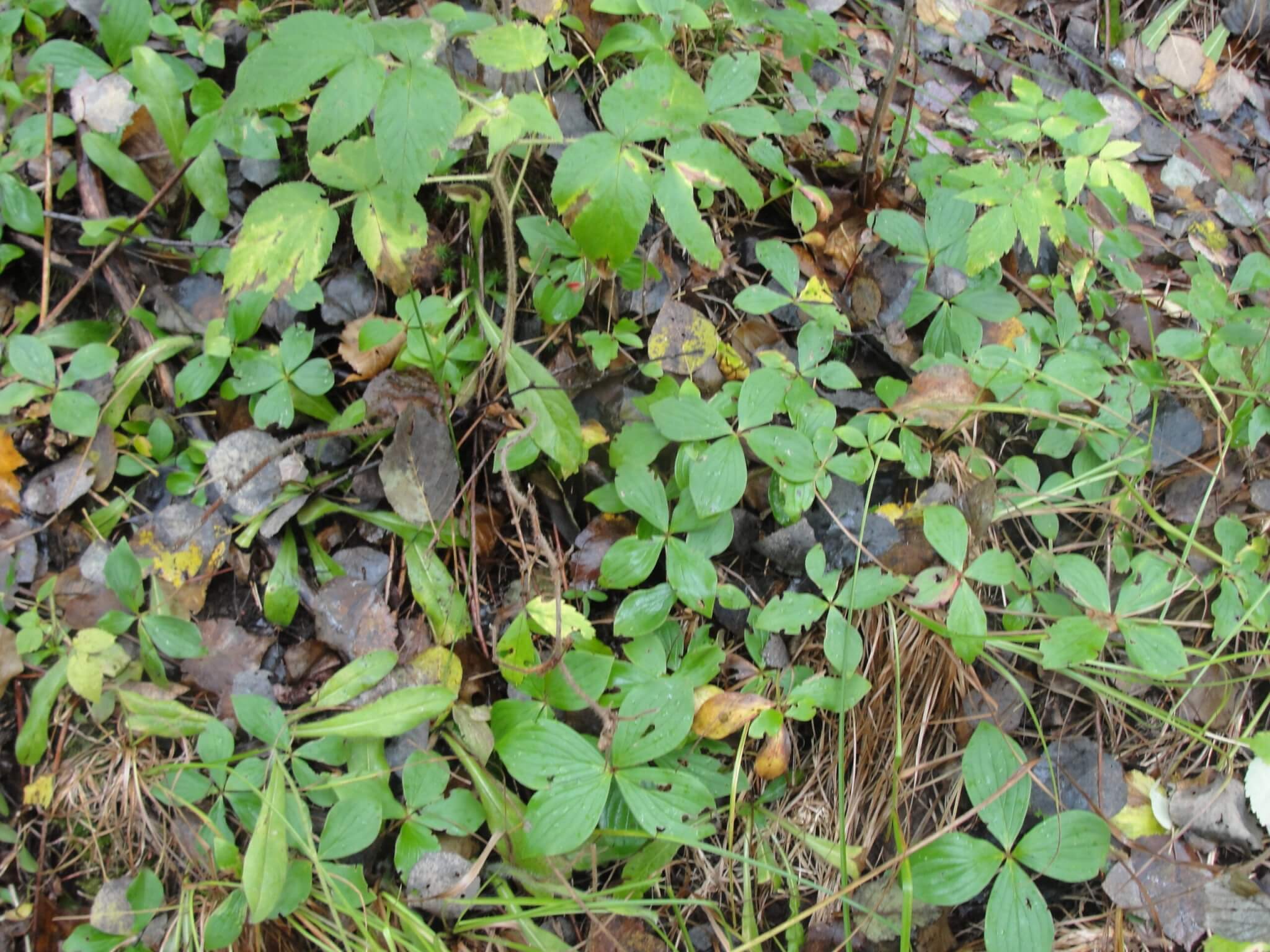
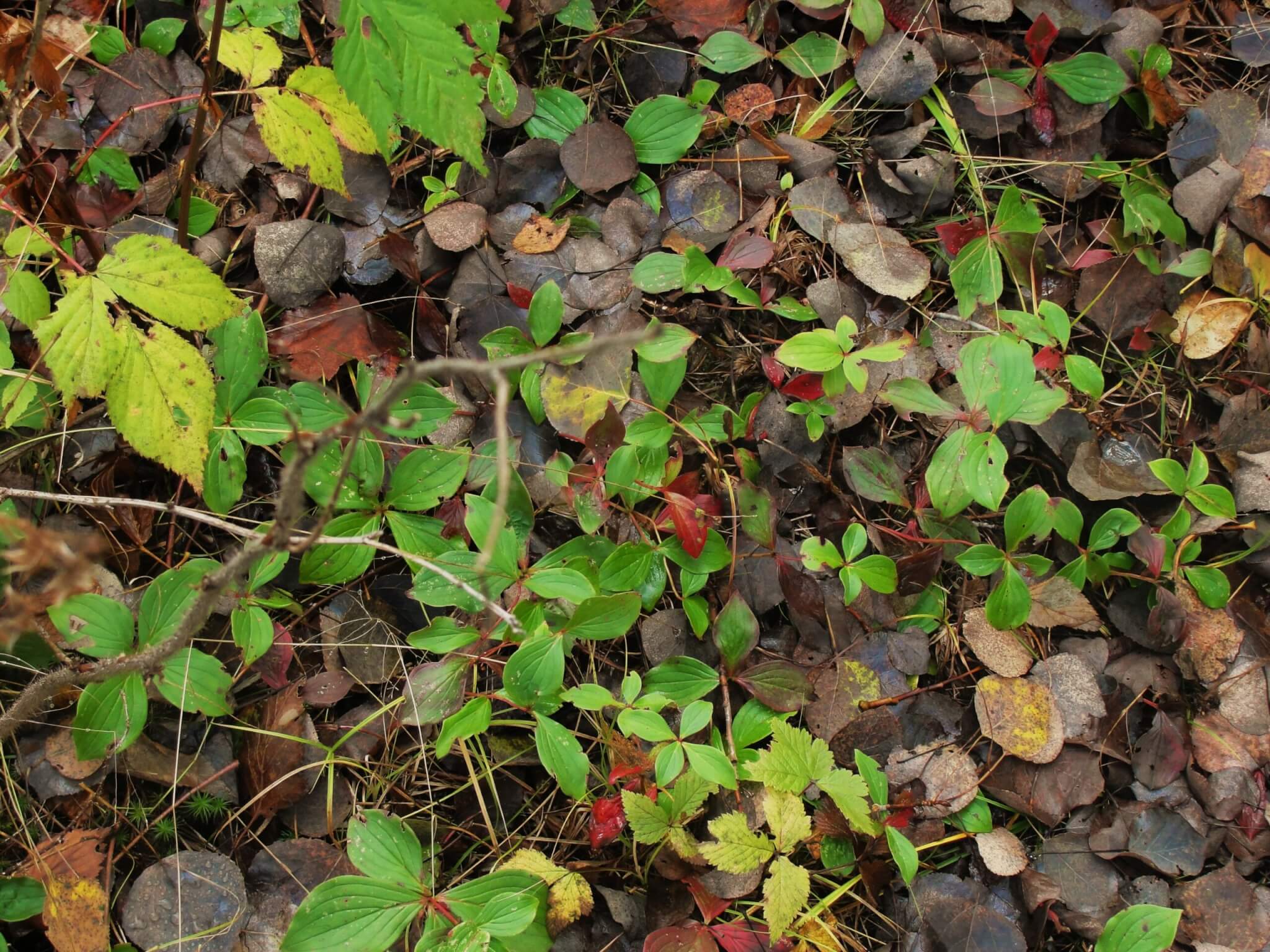
This mid-stage canopy creates filtered light, reduces weed pressure, and sets the stage for salad plants like bunchberry and strawberry to thrive. This is the point when the cut reaches optimal stem density. It’s the plants that tell you when a cut is at its peak value for Ruffed Grouse.
Canopy & Ground Check: Is This Cut Prime?
Canopy Closing In?
Interlacing crowns are key. Partial light slows weed growth and encourages soft, forage-
friendly vegetation like strawberry and bunchberry.
Percentage of Weeds
High density of tall weeds like foxtail and briars signals a cut that’s too young or too open. The more mature the canopy, the fewer the weeds. If a canopy is too mature the small plants will disappear from the floor of the cut.
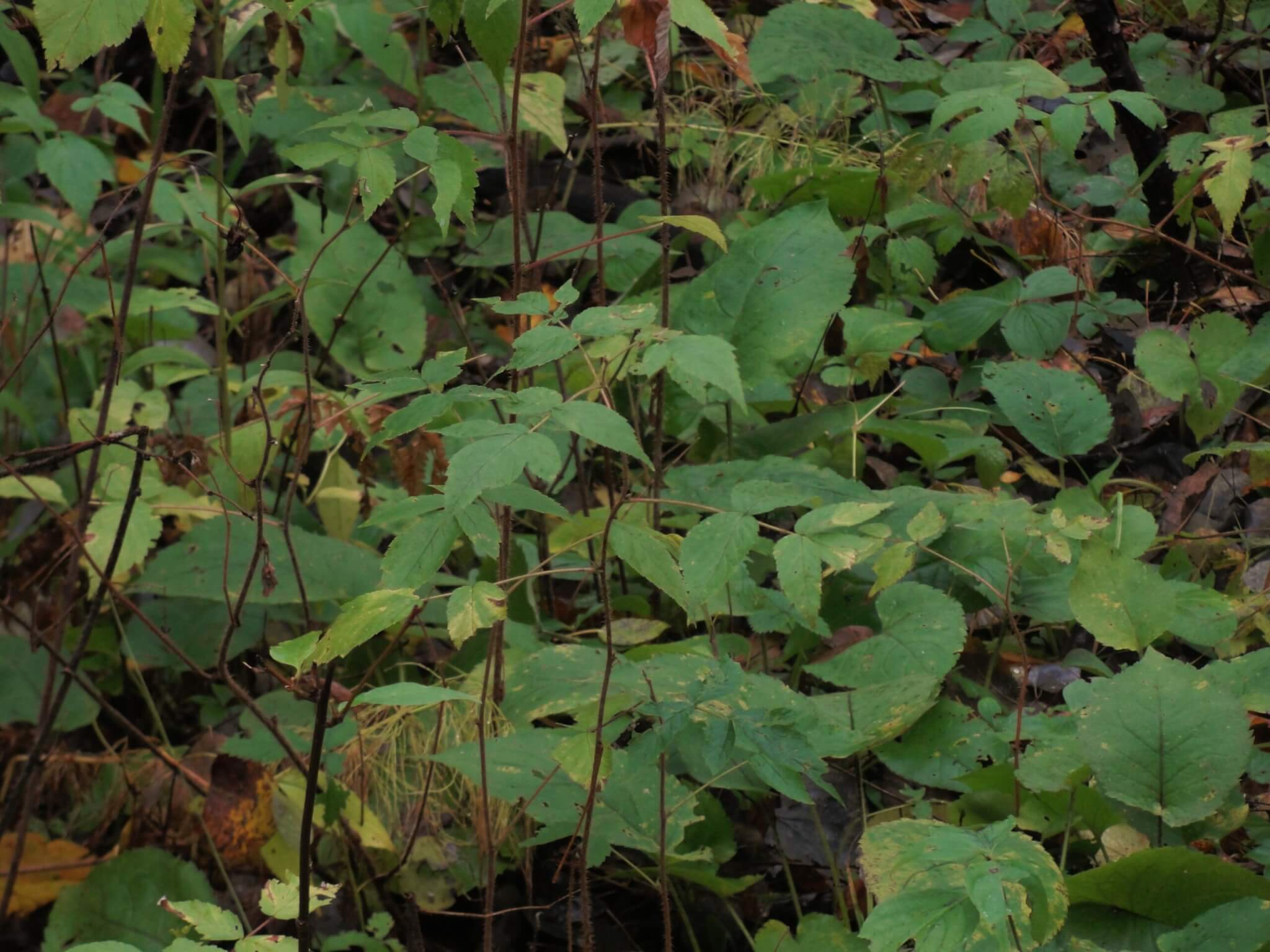
Salad Present?
Look for soft green growth: small leafy plants act as a salad bar for grouse — and this is also prime time for insect populations that provide the protein young chicks need.
Moss and Kicking Stumps
As the canopy starts to close in, decay accelerates. Moss-covered stumps that crumble when kicked often mark a productive cut in the 10–12-year range. Of course, local moisture, rainfall, and heat influence how quickly decay progresses.
All of the above are aspects of a cut that need to be evaluated as you judge one cover against another. No two cuts are the same, but you’re looking for key factors in every cut that determine its quality and whether it will hold birds.
Once you determine the age of the cut, evaluate it based on the birds’ needs. Know what a grouse needs and you’ll know what a productive cut should look like.
Every cut has something to teach you. Every cut has one area better than the rest. Few are 100% perfect. Being able to shift within a cut from poorer to better habitat — is a required skill for the serious grouse hunter.
If you don’t shift… the birds will.
Know their needs. Evaluate the cover.
Hunt the Habitat … Find the Birds!