Layered Cover: A Grouse’s Best Defense
The Tactical Advantage of Cover
Ann Jandernoa
August 12, 2025
More Than Meets the Eye
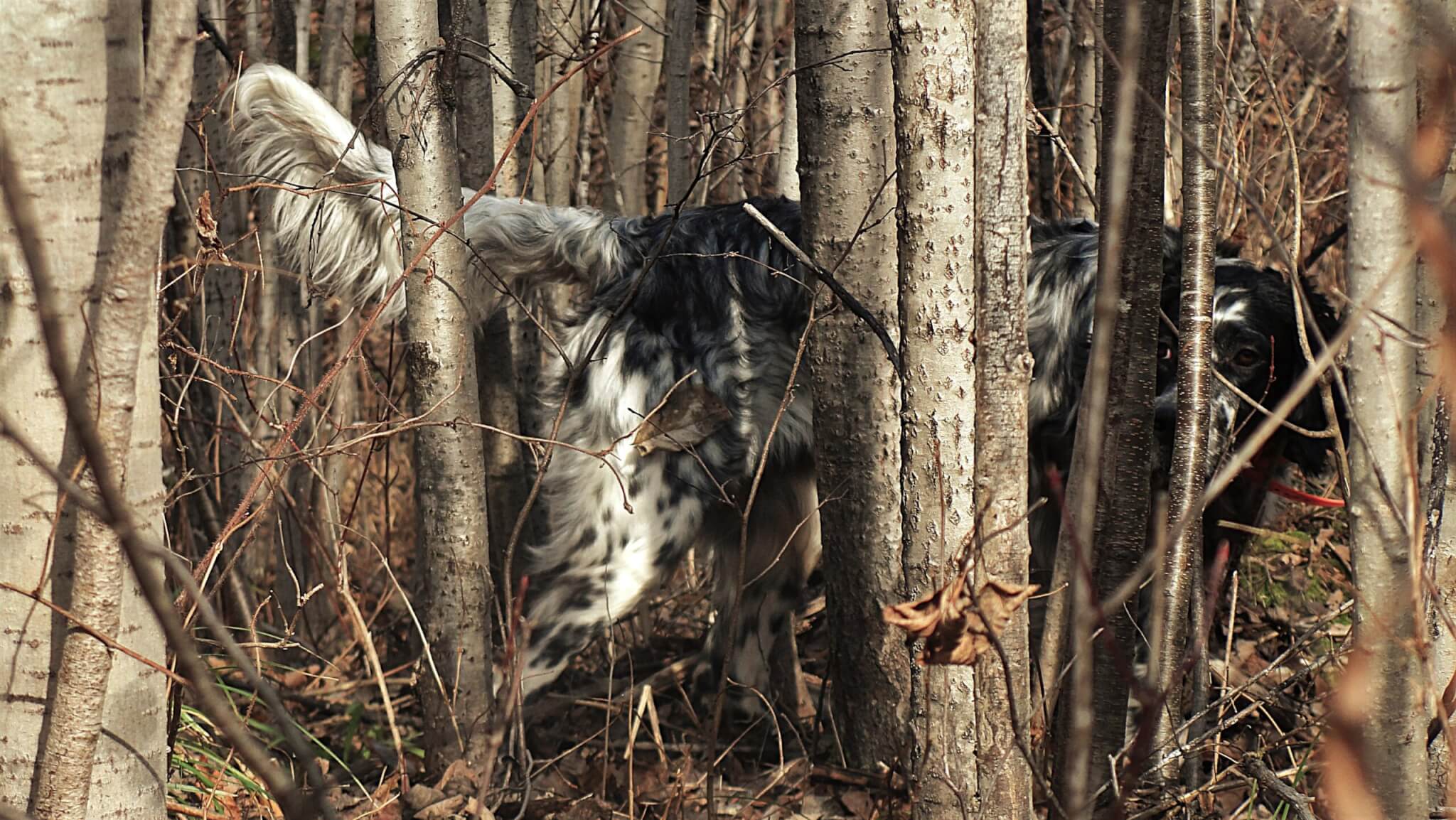
There are so many aspects that create great bird cover. Some factors jump out at you, others are subtle, almost hidden. During a hunt, I’m always watching for the little things. That’s what I search for.
Hunt With a Plan
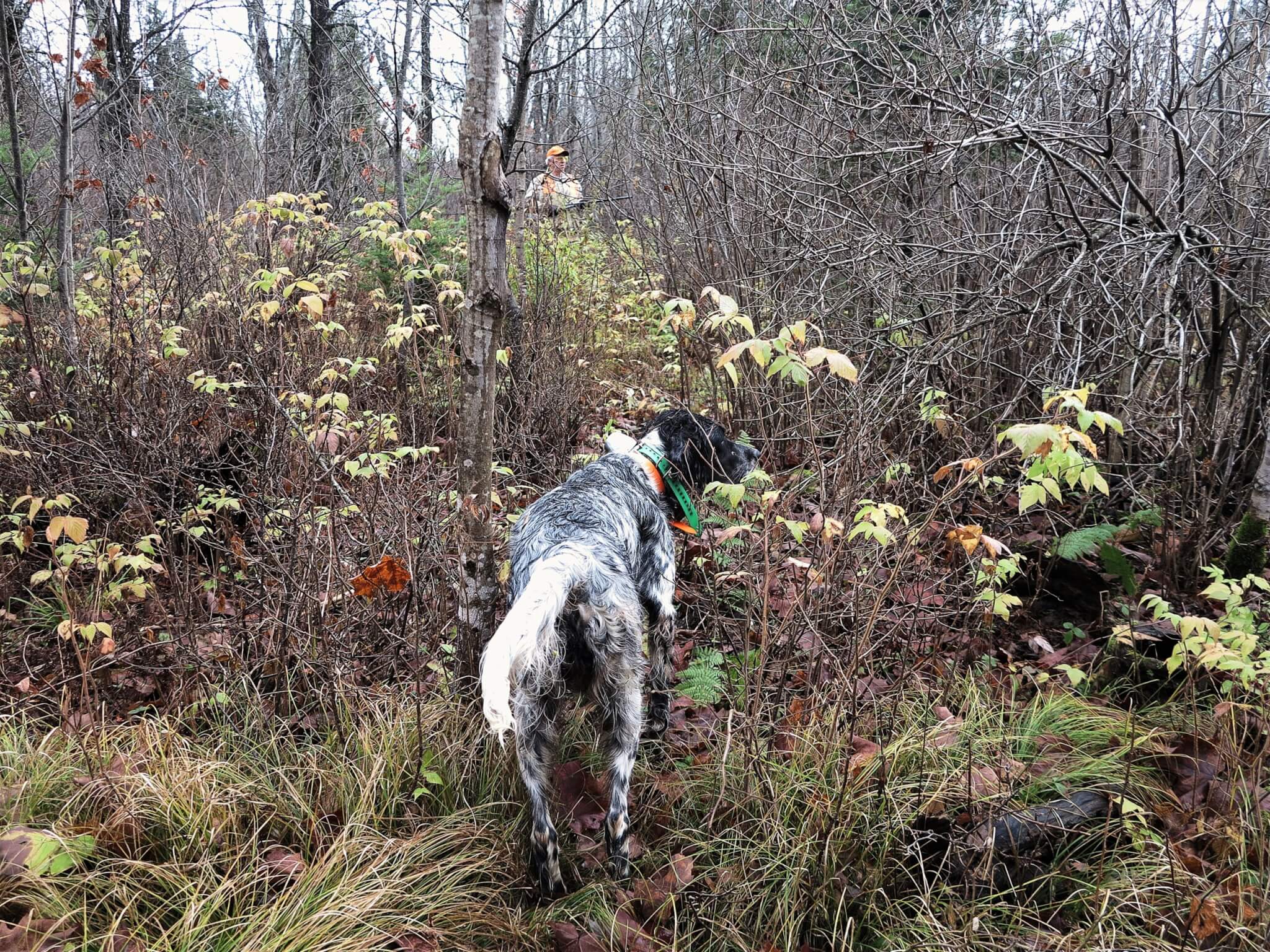
Some hunters get lost in the cut,just wandering, letting the dog work, and hoping something happens. But even then, you need a plan. I always have an agenda when I go into a cut, whether I’m testing it for the first time or coming back to work young dogs in outmaneuvering the birds.
What Makes This Spot Special?
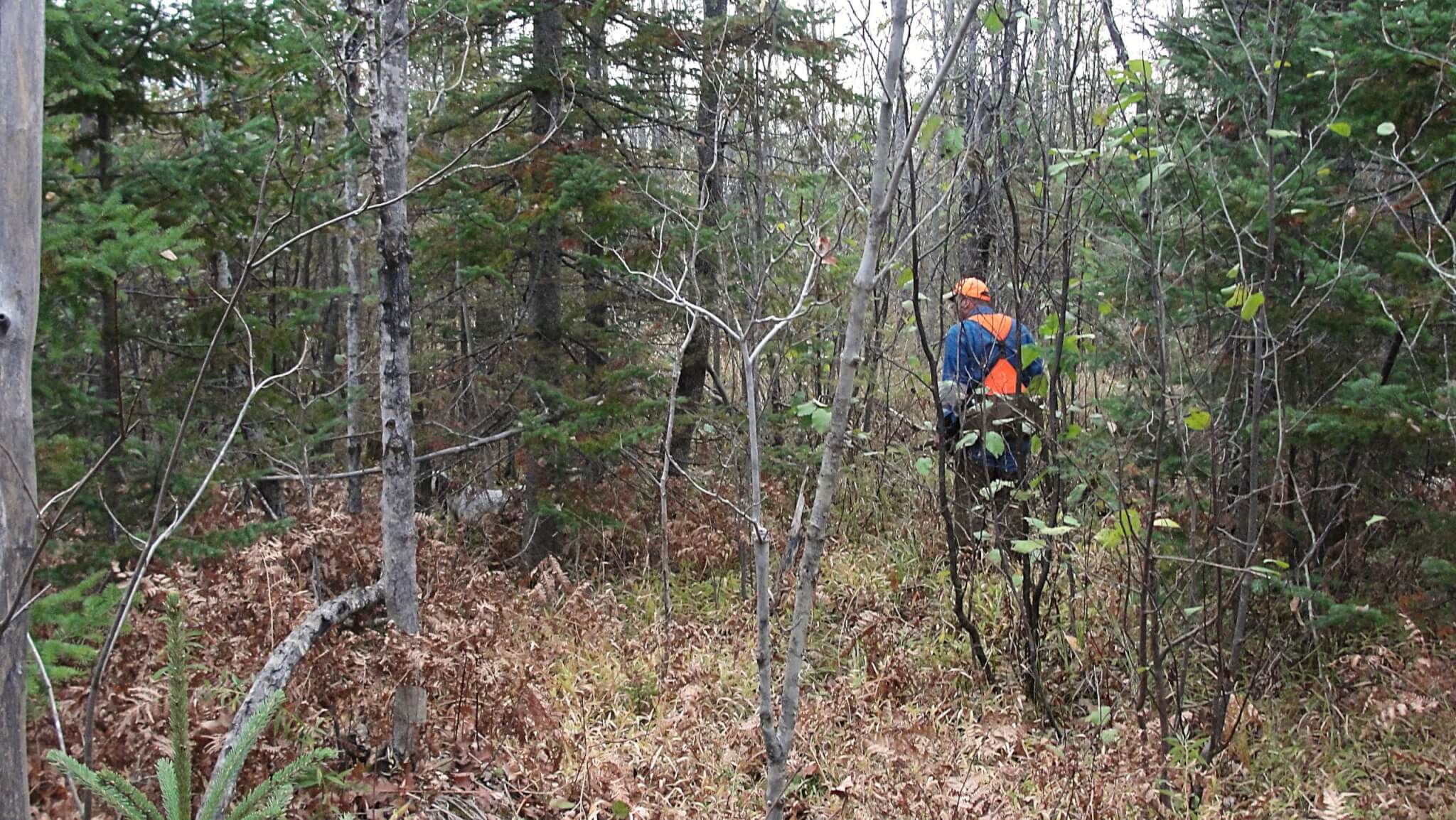
I remember taking clients out who’d stare at a wall of cover, clearly unsure why we were hunting that spot. One guy looked at me and said, “Ann, it’s the same cover as far as I can see. What’s so special about this place?” At that point I only smiled and told him “Just wait!” It wasn’t long and he knew why I liked that cut!
On the surface, it does all look the same. But once you learn to read the subtle shifts, within the cut or along its edges, that’s when things open up. You start breaking down the sub-layers of the cover. You evaluate the little changes: structural changes, stem density, understory, edge quality. It’s not one-size-fits-all. Each cut is unique. Some offer more, some less. So, the question becomes: What makes one cut better than another?
Start With the Age
It starts with knowing the age of the cut because age tells us everything about stem density and the growth stage of the stand. Once you’ve got that dialed in, the next step is evaluating the habitat surrounding the cut.That part’s straightforward: identify the lowland side versus the higher edge that transitions into upland hardwoods.
Look Within the Cut
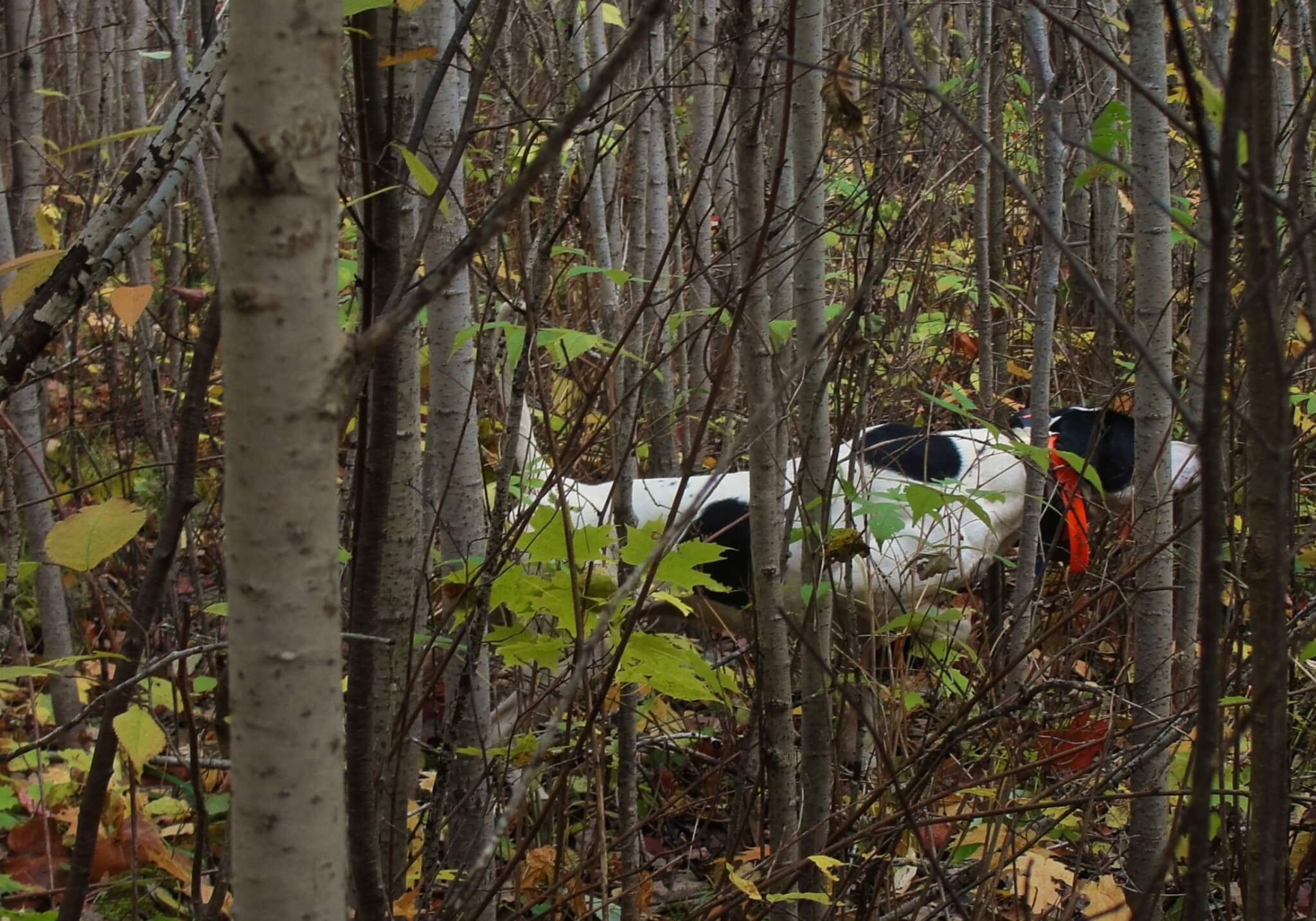
But then you need to look within the boundaries of the cut itself. That’s where it gets interesting. Sure, trails are easy to spot. But there are often subtle depressions or drainage corridors that lead toward the low end of the cut, natural funnels that channel movement and moisture. Some cuts also have internal habitat islands: pockets of conifers, small shrub bands, or open areas where trails intersect. These features add vertical structure and create micro-zones of cover within the larger cut.
Where Habitat Blends and Funnels Form
Finally, pay close attention to how the cut blends with the habitat around it, where young stems meet edge cover, where shrub transitions soften into denser timber, and where diversity adds a safe place for a grouse to hold up. One of the most overlooked strategy zones in a cut are the islands and fingers of cover that either extend toward or run parallel to and gradually intersect the low side of a cut. Some are shallow depressions — natural drainage lines that pull moisture downhill and lead directly into black spruce or cedar. Others are distinct pockets of different vegetation within the cut, creating internal edges with added density and vertical structure.
Movement & Escape: Grouse Logic
Grouse use these like stepping stones, linking one patch of cover to another as part of their movement and escape routes. If you hear a flush just ahead, don’t just move on — stop and read the cover. More often than not, you’ll find a subtle funnel or band of habitat change leading right to that flush.
Advanced Grouse Cover Reading: Diversity Within the Cut
So, start looking at a cut differently. It isn’t just a wall of cover. Look for the subtle changes, height variations, the structural differences, and lines of different cover types, be it conifer or shrub components, that tend to meander toward the edge of the cut. Watch for depressions and drainage areas within the cut. These often funnel toward the lower edge, adding complexity and escape opportunities.
All of these features add diversity. And it’s not just about what’s on the floor. Grouse care about everything from the ground up to the canopy and especially the next patch of denser cover within a cut. That internal diversity keeps grouse safe. They’re always seeking the best escape routes, the densest stem structure, and the deepest shadows where they can disappear.
The Chess Game of Grouse Hunting
To a grouse, this layered complexity creates opportunities to outwit predators, hunters, and dogs alike. That’s why I’ve always joked that hunting grouse is like playing chess in the woods. Every move matters.
But this is something I never tire of, trying to stay one step ahead of them, outflanking them. Whether I take the shot or watch a young dog work a bird perfectly doesn’t matter. The real question is: did all the moving and positioning give me the opportunity for a clean shot? If I got that close and had the chance, I just won that round of chess in the grouse woods and I just watched a young dog come into its own and become a grouse dog. The later is always worth more to me than the shot…see a young dog turn a page and start a new chapter as a grouse dog.