Don’t Overlook Heat: The Early-Season Risk to Your Hunting Dog
How Heat Stress Impacts Bird Dogs in the Field
Ann Jandernoa
August 28, 2025
The countdown is on. Upland season is just around the corner, and every hunter I know is
itching to cut loose in the woods or stretch legs on the prairie. The guns are cleaned, shells are stocked, and your dog is staring at you like it’s already opening day. But as we ramp up, there’s one piece of prep that often gets overlooked: the heat.
Early-season hunts carry a hidden punch. Temps may look mild on your weather app, but
pair them with humidity, dense cover, and a hard-driving dog that’s been idle all summer, and you’ve got a recipe for disaster. Heat stress doesn’t wait until it’s “really hot out” it sneaks in early, especially in leafed-out grouse woods where airflow is nil or on prairies where the sun turns grass into a skillet.
This isn’t about scaring anyone off. It’s about being smart, knowing the factors that put your dog at risk, and recognizing when to call it before you’re carrying a bird dog out of the woods for all the wrong reasons.
The Big 4
Temperature
Everyone looks at the air temp, but that’s only part of the story. The ground your dog runs on can be 10–20°F hotter than what your phone says, and radiant heat from open sun can add another layer. A September day in the mid-60s may not sound bad, but to a hard-
driving hunting dog in thick cover, it can feel like mid 80s in a hurry.
Humidity
Temperature alone doesn’t define the risk of heat stress. Humidity significantly impacts a dog’s ability to cool down through panting, because evaporation is the engine that drives their cooling system. Once the air is saturated, that engine sputters. According to the American Veterinary Medical Association (2021), when humidity levels exceed 70%, a dog’s ability to dissipate heat can be severely compromised, even if the actual temperature doesn’t look dangerous. That’s why a 68-degree September morning in the grouse woods can compromise the safety of the dog.
Condition of the Dog
A fit, lean, well-conditioned dog handles stress far better than one that’s been loafing on the couch all summer. Carrying extra weight is like wearing a down vest in August. The dog has to work harder to move, and harder work means more heat produced inside the body. Pre-Conditioning is imperative and should be done long before opening day.
Age of the Dog
Young dogs haven’t yet learned how to pace themselves, and older dogs lose that ability as their drive outpaces their stamina. Prime-age dogs in good shape can take more, but that doesn’t make them bulletproof. A pup eager to prove itself or an old veteran that won’t quit for your sake can both get into trouble fast.
Hunting-Specific Multipliers
–Cover & Airflow Early-season grouse woods are like a sauna: thick leaves, no breeze, humidity trapped. Prairies blast dogs with sun, but at least the wind gives some relief.
–Workload & Style A setter running big casts on a hot day is at more risk than a flusher working a slow quarter. How a dog hunts matter as much as the weather.
–Coat & Color A black Lab in September sun takes heat differently than a white setter in shaded popple. Dense coats hold more warmth.
–Hydration Access Dogs don’t always find water on their own in coverts or CRP. If you’re not packing water, you’re gambling.
–Acclimatization That Wisconsin dog suddenly dropped into a hot Kansas opener is at way higher risk than one that’s been roading all summer.
What to Watch For
Here’s the blunt truth: no chart or forecast matters more than what you see in front of you.
Early warning signs mean it’s time to back off:
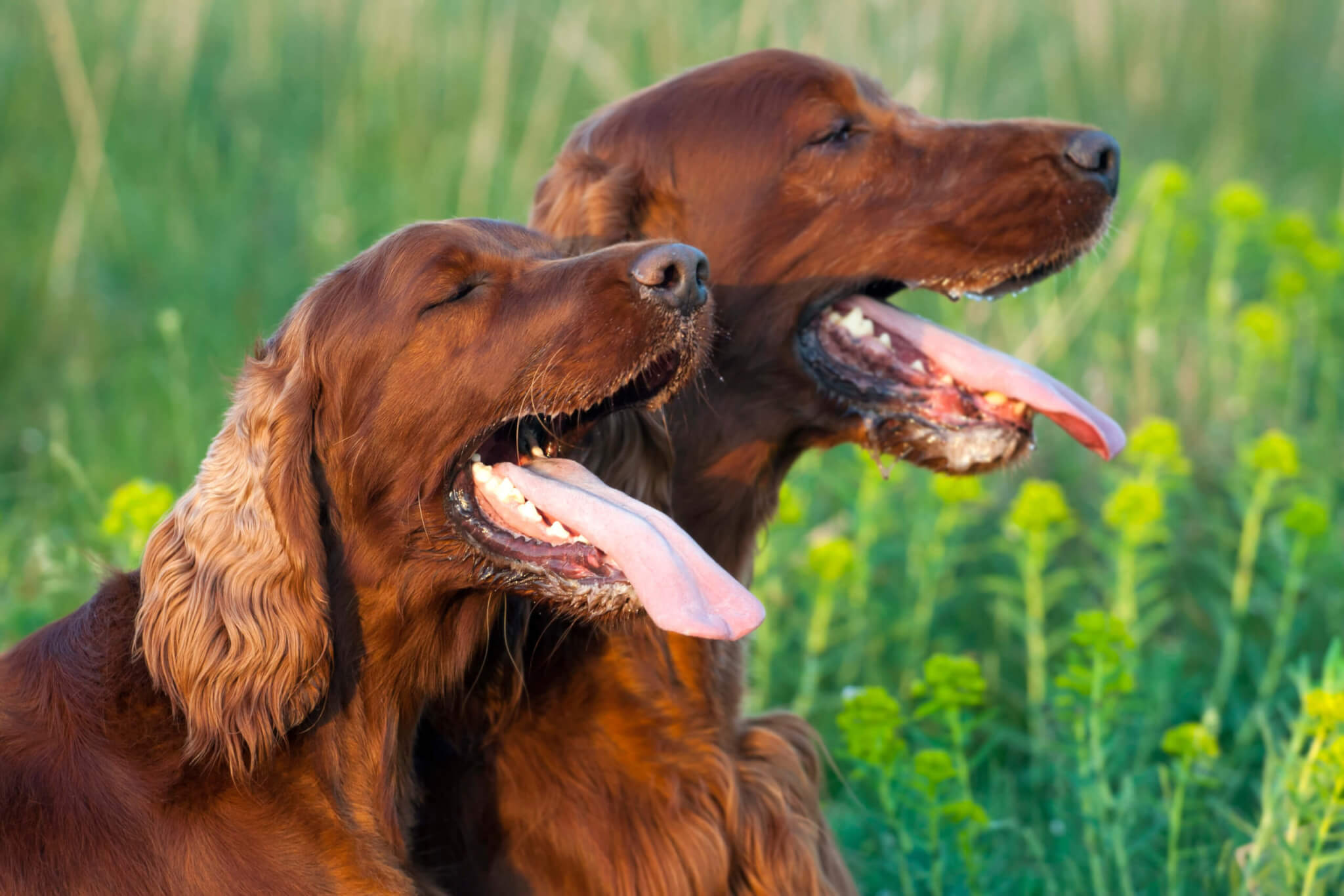
– Excessive, unrelenting panting
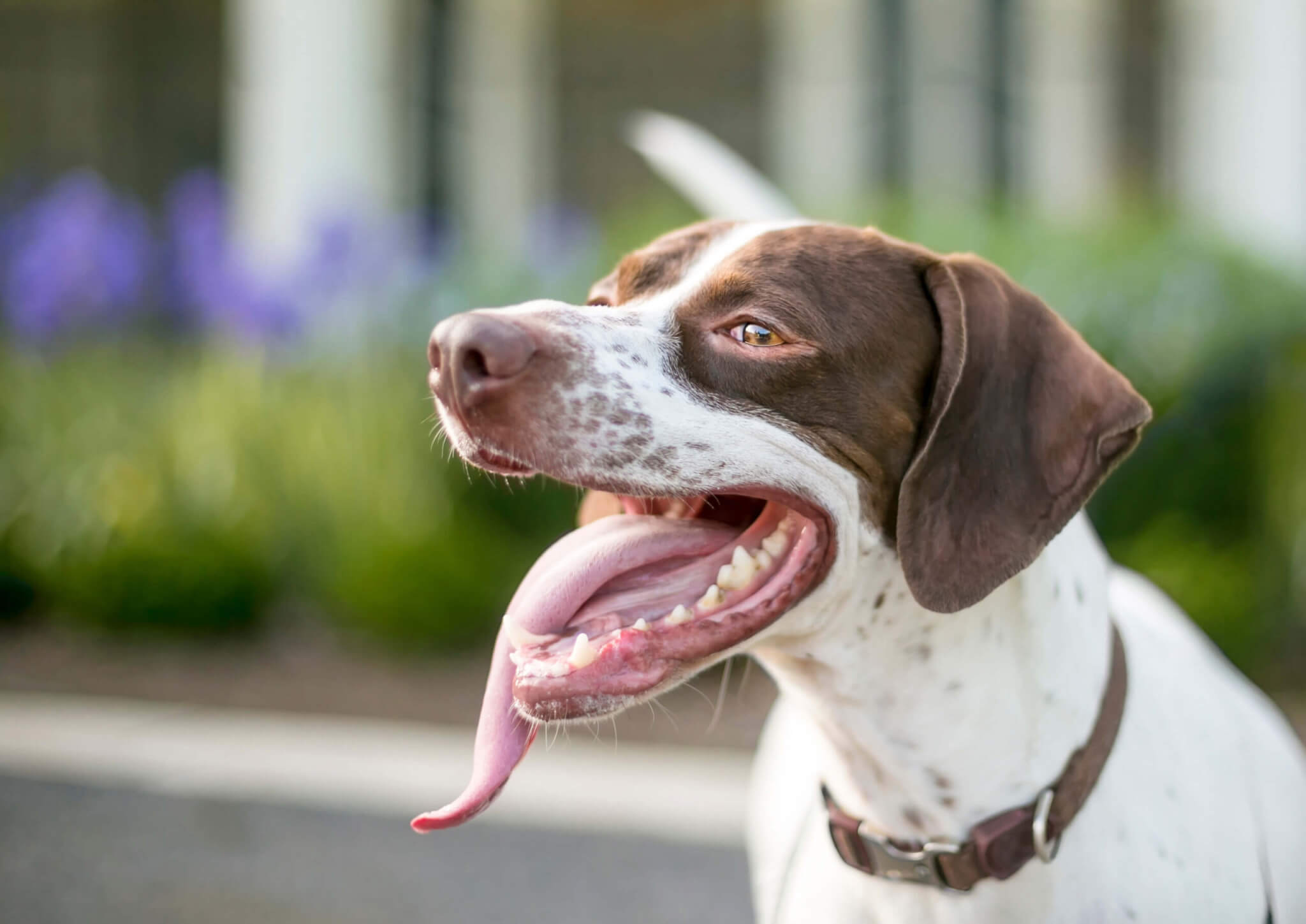
– Wide tongue hanging off to the side and drooling
– Slowing gait, loss of focus, breaking off casts
– Sudden bursts of speed before a crash many dogs, especially the young ones, will actually push harder right before they collapse
– Looking like they are on auto pilot just going through the motions.
Where to check
Place your hands in the armpits and belly area. These spots hold heat and give you a quick sense of how hard your dog’s furnace is running. If those areas feel hotter than expected and don’t cool with a short break, you’re already skating on thin ice.
If you see disorientation, collapse, glazed eyes, or vomiting, that’s a full stop. Get your dog cooled immediately and to a vet if possible. Military K9 guidelines are clear: 106°F can be survivable during work, but if that same temp comes with neurologic signs, it can be fatal. Don’t wait for a number act on behavior.
Conditioning and Responsibility
How many times have you heard someone say, “That dog just doesn’t have much heat
tolerance now that he’s six”? The truth is simple: if a dog can’t handle the heat by middle age, chances are he was overheated early in life. Overheating a young dog leaves a mark, and you’ll pay for it later.
Our Responsibility
As owners, it’s on us to match the time we hunt a dog with the level of conditioning that dog actually has. It means watching the temperature, watching the humidity, and always knowing how far you are from the truck if things turn south. Conditions change fast, and a dog won’t pull the plug on himself. Always reminding yourself of the age of the dog as well.
The bottom line? Your dog will give you everything he’s got in the field. Management is your job. Protect the dog first, and it’s more than just birds, it’s the future of your hunting partner.
You may be able to get away with working dogs in the heat for a while, but sooner or later it will catch up to you and your dog will pay the price. As the dog ages, heat stress happens more easily, and once it happens, they are never the same after that.
The Hard Truth
You hear it all the time: “birds, birds, birds make the dog.” But ask yourself what’s the real priority? Is it bragging rights on the tailgate, or a picture of you with a limit of birds posted on Facebook while your dog’s tongue hangs to the ground, and his eyes are glazed over?
Because here’s the thing: What does the non-hunter see and what is the takeaway from that picture. To many a non-hunter that picture makes him look like a disposable commodity. And it hands ammo straight to the animal rights groups who love nothing more than an exhausted, heat-stressed hunting dog photo to wave around.
A bird dog is supposed to be a partner, not collateral damage. Hunt smart, respect the
conditions, and manage the heat. There will always be another covey, another flush, another season but there’s only one dog tied that looks to you to be their companion as much as you value that dog as your companion.
The answer is simple. You’re a team when you hunt, as much as you are watching the cover, and the transitions as you work your way through the cover… you also are monitoring your dog.