Where to Hunt Grouse Early Season: 4 Habitat Clues You Can’t Ignore
Clue #1: Why Young Forest Holds More Grouse
Ann Jandernoa
September 5, 2025
Have you ever hiked miles through the woods, thinking “this looks perfect,” only to go home empty-handed? You’re not alone. Here are five must-know habitat clues that consistently hold ruffed grouse and how to use detailed data to find them before you ever hit the woods.
Clue #1: Young Forest is King
The number one mistake grouse hunters make is assuming mature woods or just pines = good habitat. Not true.
Look for aspen stands aged 9–16 years. If the tree stems are the size of 2″ to 4″, you’ve got the first key to a grouse hunting hot spot. Growth rates vary by soils and location, so use this as a general guide. The rule of thumb: if you have to weave your way through the woods, the stand is thick enough.
These age ranges aren’t just hunter’s wisdom, they’re backed by the late Gordon Gullion, a Minnesota native and one of the foremost researchers of ruffed grouse. His work in Minnesota defined young forest as the cornerstone of grouse habitat, with aspen leading the way.
We will use Minnesota as an example:

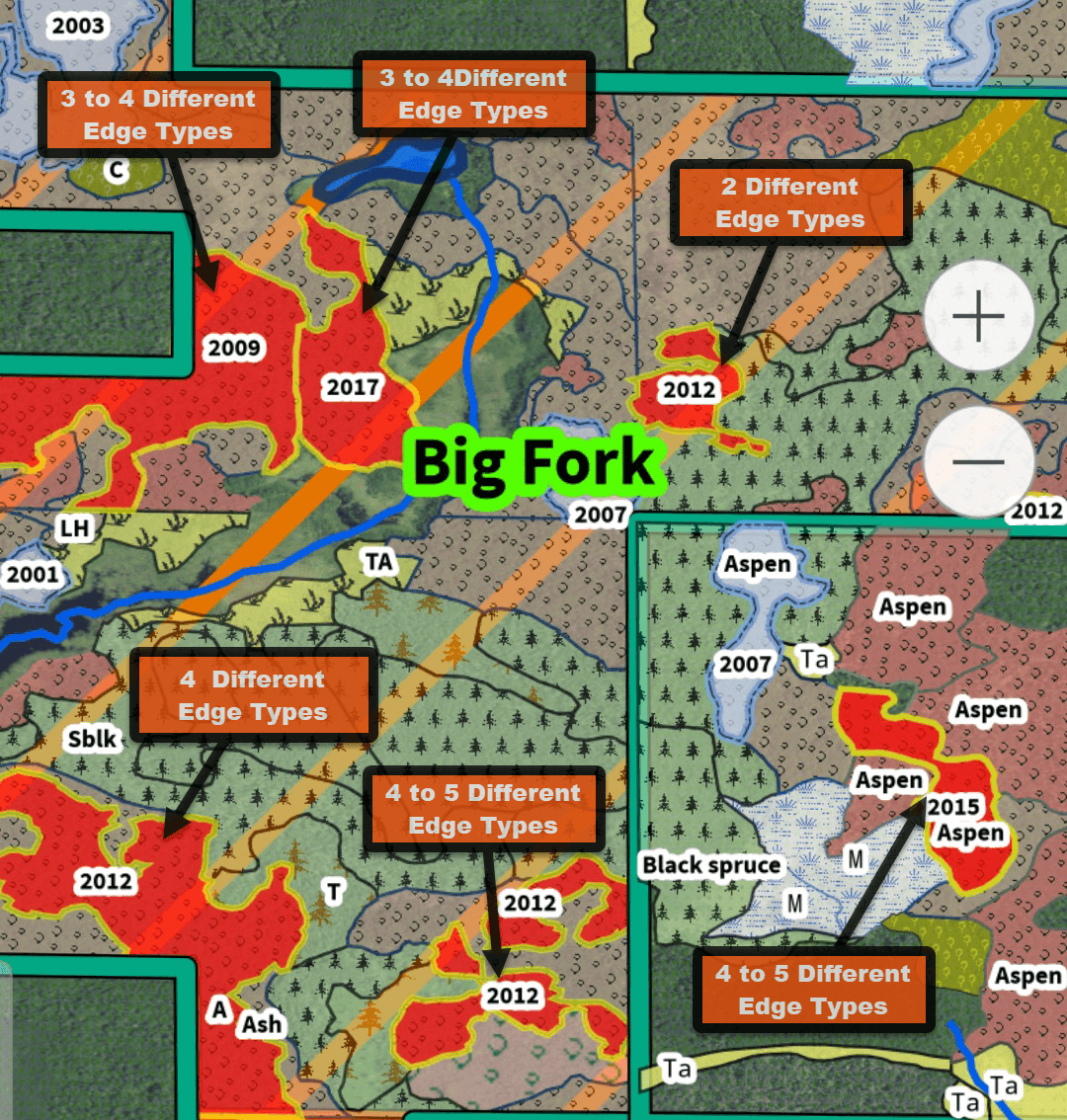
Clue #2: The Power of Edges
Grouse love transition zones. This means where one type of cover meets another:
– Aspen to tag alder
– Conifer to aspen
– Wet edge to dry upland
These edges act as natural funnels for feeding, hiding, and loafing. If your cover is uniform, don’t waste time—keep moving until you hit variety. With Scout-N-Hunt, you can instantly see where these edges line up by combining satellite layers with edge detection data. What once took hours of bushwhacking is now visible at a glance.
Clue #3: Drumming Logs = Year-Round Use
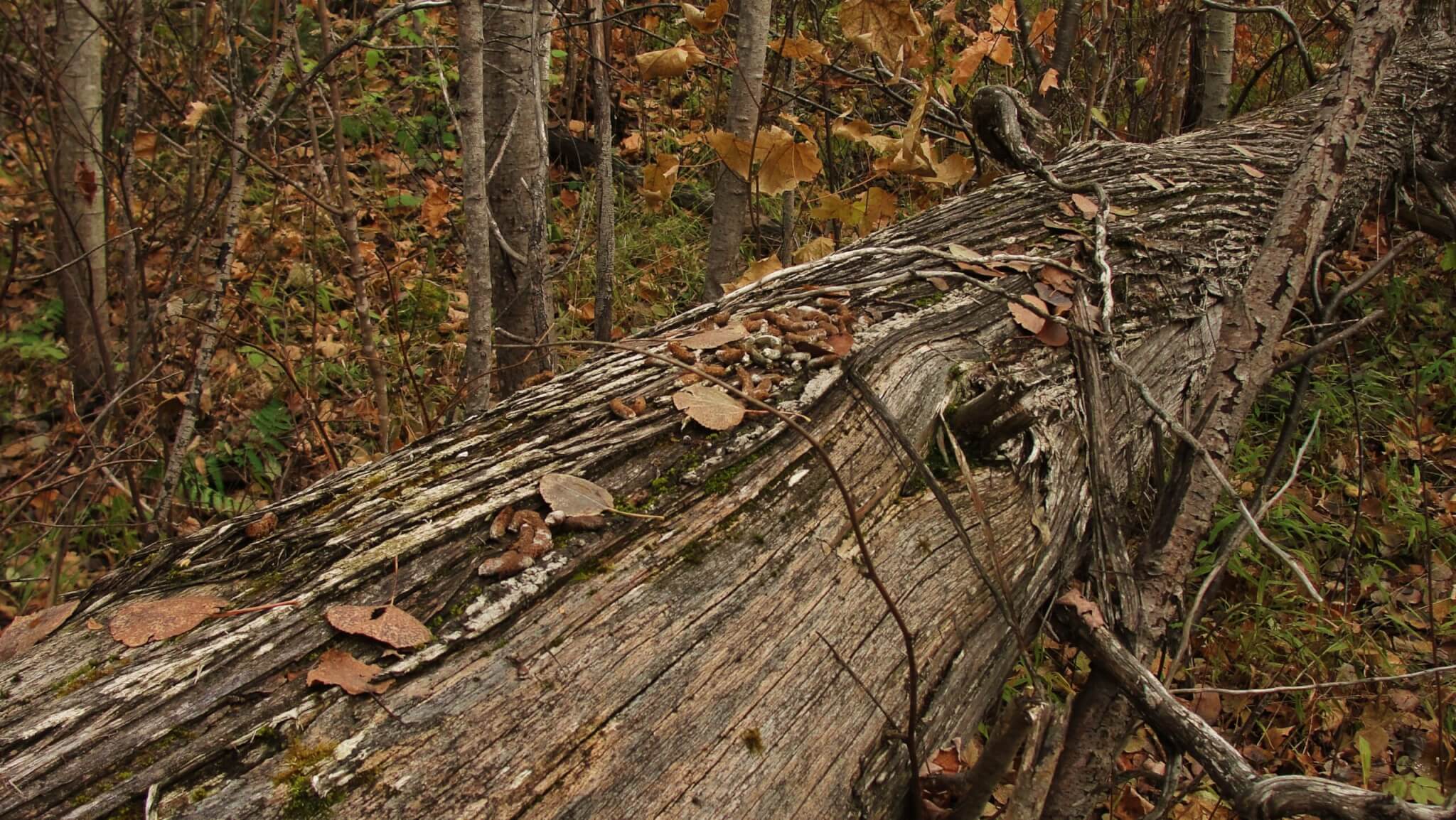
Drumming logs aren’t just for spring. Male grouse will use this territory year-round because he picks drumming logs in the best grouse habitat. If you see signs of past drumming—feathers, droppings, scratch marks then make a map pin to record it. That bird didn’t pick the spot by accident.
Also listen for early season territorial drumming by older males. This also give you a glimpse into what good habitat looks like. With Scout-N-Hunt, you can bookmark and layer drumming log locations into your hunt plan, building a running history of productive cover that grows more valuable each season.
Clue #4: Thick Escape Cover
Even if the food and structure are perfect, grouse won’t stay without thick cover nearby.
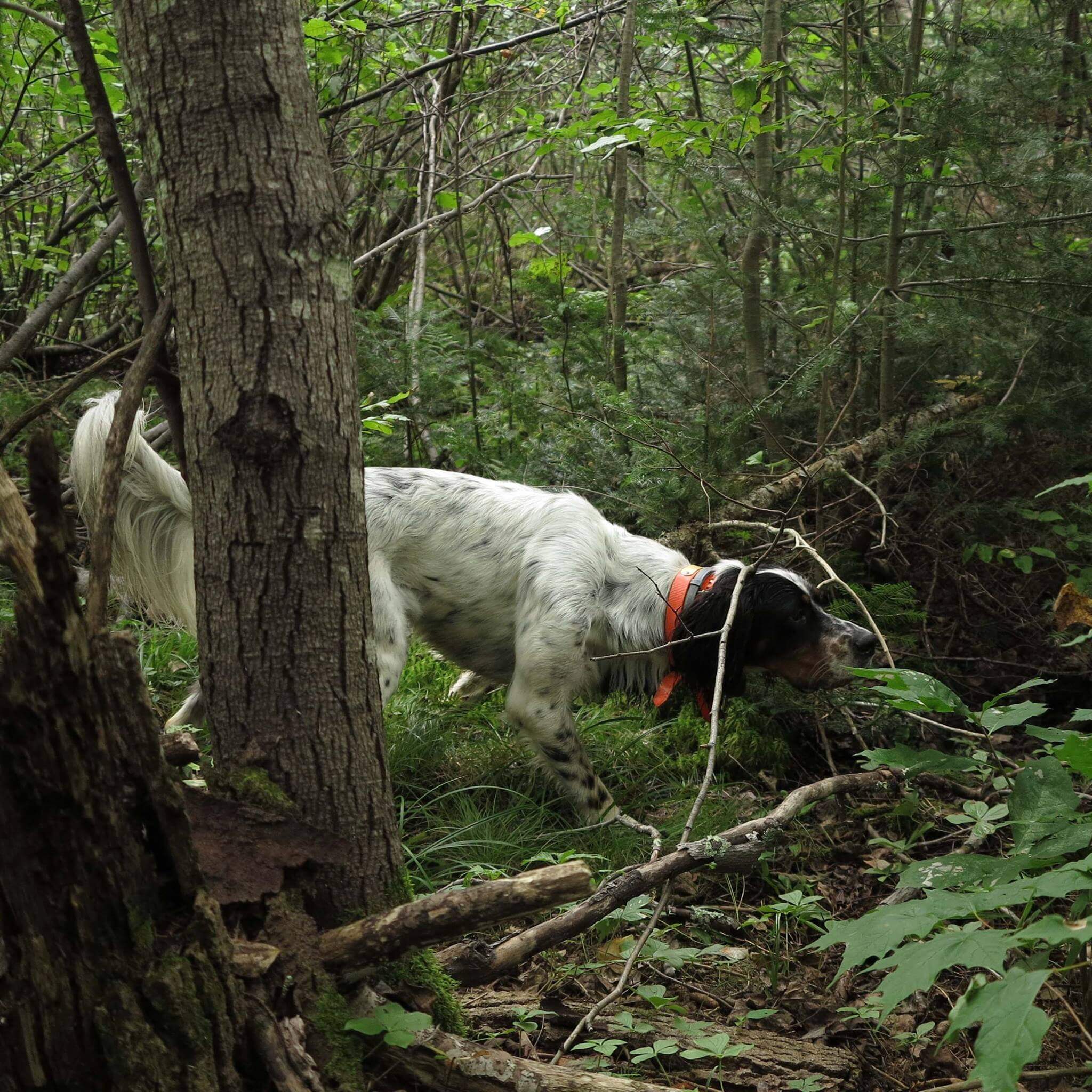
If you’re not having to weave in and around trees and some slash, you’re not in the right place. Look for blowdowns, young conifers, or slash piles. And yes, your gun stock may get scratched, but it’s worth it.
With Scout-N-Hunt, you can combine timber age, edge layers, and cover transitions to pinpoint stands that offer food, young forest, and thick escape cover all in one spot. Drop pins, save them to your “hunt ready” list, and build a plan that cuts scouting time in half.
And remember, if you bag a bird, check the crop. What grouse eat tells you exactly which food sources are active, and when paired with the cover data in your maps, it’s the final piece of the puzzle. That connection between what’s on the landscape and what’s inside the bird will make every future hunt more productive.
Bringing Your Grouse Hunt Planning All Together
Here’s how I use Scout-N-Hunt to stack all these clues before stepping foot in the woods:
– Evaluate the harvested cuts that are in the area you want to hunt. These are already presorted for you and the harvest year is labeled
– Identify “cover transitions” to find aspen-to-alder areas or aspen to conifer, or your upper areas aspen to hardwoods.
– Drop pins on areas with 3–5 habitat features close together.
The truth is you can cut your scouting time in half, stop guessing with imagery, and start hunting in know areas that are already identified by age and the habitat around the cut. If you want more flushes and fewer wasted walks, give Scout-N-Hunt a try.
Whether you’re searching for the best grouse hunting locations or learning how to scout for grouse more effectively, the answer is in the habitat. Young forest, edges, food, drumming logs, and escape cover—stack these five clues with detailed map data, and you’ll put yourself in the right cover every season. All of this data is on the app in great detail.
If you found these tips useful, share this article with a hunting buddy, bookmark it for your next trip, and don’t forget—you can download detailed maps with Scout-N-Hunt to start putting these habitat clues to work right away.